
A healthy liver is vital for a person’s overall wellbeing. However, many people are unaware of potential problems until symptoms become severe and the condition becomes advanced. A liver ultrasound is one of the simplest and most effective ways to check the condition of your liver and surrounding organs. This safe, painless. And radiation-free scan can detect a wide range of issues. It detects not only liver disease, but also gallbladder conditions, abdominal growths, and more.
Book your ultrasound appointment
What Is A Liver Ultrasound?
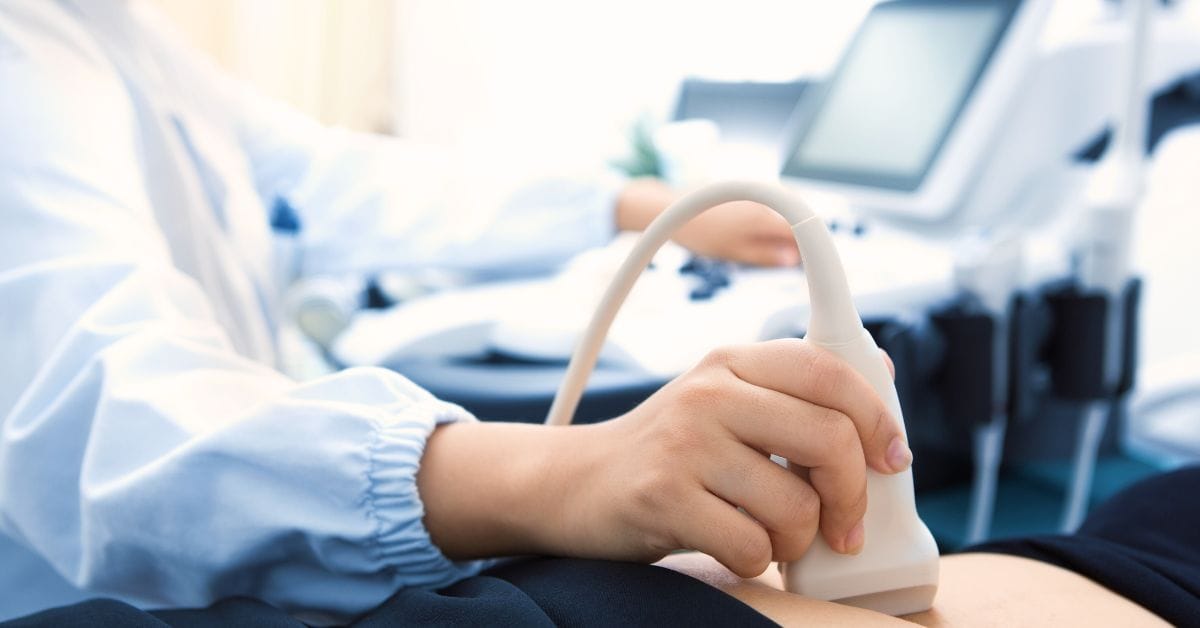
A liver ultrasound uses high-frequency sound waves to produce images of the liver and nearby organs. It is a non-invasive test which does not require the use of needles, radiation, or surgery. During the scan, a probe is gently moved over the abdomen to capture real-time pictures, which a gastroenterologist can interpret to identify abnormalities.
Liver ultrasound is often the first imaging test ordered when patients report abdominal pain, abnormal blood tests, or suspected liver problems.

Why Might You Need A Liver Ultrasound?
A gastroenterologist may recommend a liver ultrasound if you have:
- Persistent abdominal pain or bloating
- Unexplained changes in liver function tests
- Jaundice (yellowing of skin or eyes)
- Unexplained weight loss or loss of appetite
- History of liver disease or alcohol use
- Risk factors such as diabetes, obesity, or fatty liver disease
By detecting problems early, a liver ultrasound can help guide timely treatment before complications develop.
What Are The Liver Conditions That Can Be Detected By Ultrasound?
While blood tests can indicate if the liver is under stress, a liver ultrasound provides visual confirmation of structural changes. It can reveal:
- Fatty Liver Disease – Build-up of excess fat in liver cells. This is common in patients with obesity or diabetes.
- Liver Cirrhosis – Scarring of the liver that may lead to liver failure if untreated.
- Liver Tumours – Both benign growths (such as cysts) and suspicious masses that may require further investigation.
- Liver Abscesses – Collections of pus due to infection.
Detecting these issues early allows your gastroenterologist to plan the best treatment and prevent further damage.
What Other Health Insights Can It Provide?
Although the focus is the liver, an ultrasound often provides useful information about other abdominal organs. For example, it can detect:
- Gallstones – Hardened deposits in the gallbladder that may cause pain or indigestion.
- Pancreatic Abnormalities – Early signs of inflammation or cysts.
- Abdominal Fluid Build-up (Ascites) – Often linked to advanced liver disease or other medical conditions.
This makes a liver ultrasound a valuable tool not only for diagnosing liver disease, but also for assessing overall digestive health.
What To Expect During A Liver Ultrasound
The procedure is straightforward and usually takes less than 30 minutes:
- You may be asked to fast for a few hours beforehand to improve image clarity.
- A clear gel is applied to your abdomen.
- A handheld probe is moved across the skin to capture images.
- You can resume normal activities immediately after the scan.
The results are interpreted by your gastroenterologist, who will explain the findings and discuss whether further tests or treatments are required.
Why Early Screening Matters
Many liver problems develop silently, showing no symptoms until they are advanced. A liver ultrasound can reveal conditions like fatty liver or early cirrhosis before symptoms arise, giving you a chance to take preventive steps.
In Singapore, lifestyle factors such as busy schedules, alcohol consumption, and rising rates of obesity make preventive liver checks increasingly important. Consulting a gastroenterologist ensures that subtle warning signs are not overlooked.
A Simple Test With Big Benefits
A liver ultrasound is a quick, painless, and effective way to gain insights into your health. It can detect early liver disease, monitor ongoing conditions, and reveal problems in nearby organs such as the gallbladder or pancreas. By choosing timely screening with an experienced gastroenterologist, you can protect your liver health and act early before complications develop.
Book your appointment with Dr Juanda Leo Hartono
Frequently Asked Questions (FAQs) On Liver Ultrasouns
A liver ultrasound is used to detect liver conditions such as fatty liver, cirrhosis, tumours, and infections. It also helps identify gallstones and other abdominal problems.
No, the procedure is completely painless and non-invasive. You may only feel slight pressure as the probe moves over your abdomen.
You may be asked to fast for 6–8 hours before the scan. This ensures your stomach and intestines are clear, making the liver easier to visualise.
While a liver ultrasound can identify suspicious masses, further imaging (such as CT or MRI) and blood tests are usually required to confirm cancer.
The scan itself takes around 20–30 minutes. Your gastroenterologist will review the images and typically discuss results with you soon after the procedure.
Useful References:
Learn More: Best Ways To Find A Liver Specialist In Singapore
American College of Radiology Committee on LI-RADS®. LI-RADS Ultrasound Surveillance v2024 Core. Available at https://edge.sitecorecloud.io/americancoldf5f-acrorgf92a-productioncb02-3650/media/ACR/Files/RADS/LI-RADS/LI-RADS-US-Surveillance-v2024-Core.pdf