
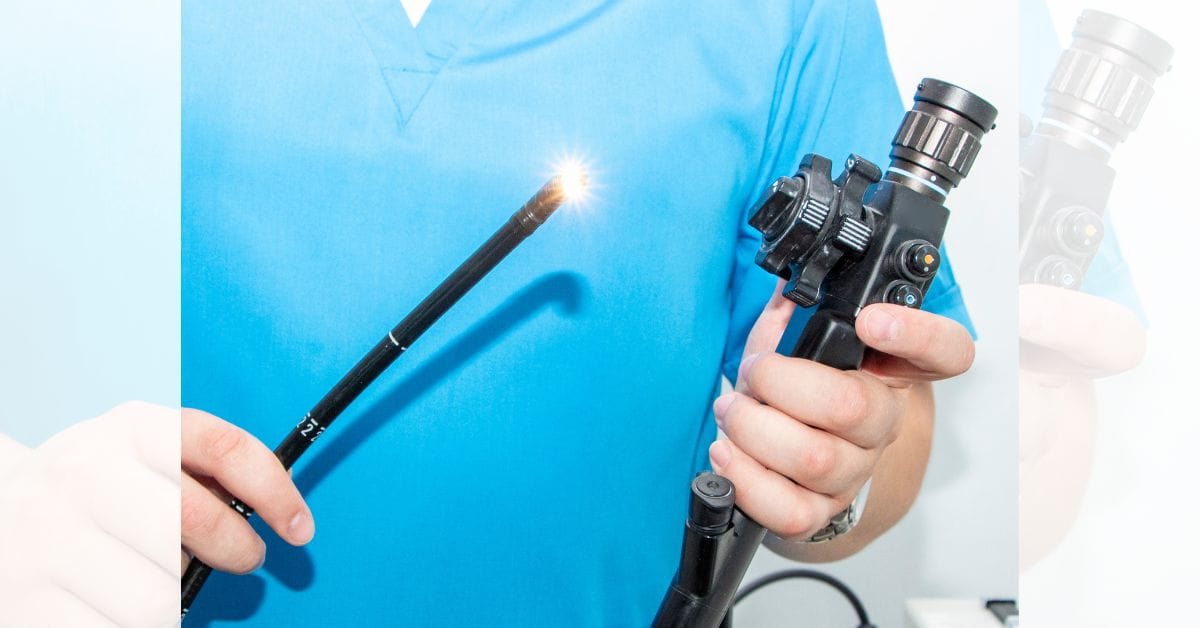
Gastroscopy, also known as an upper endoscopy, is a common procedure used by gastroenterologist or surgeons to examine the upper part of the digestive tract. This includes the oesophagus, stomach, and duodenum (the first part of the small intestine).
This guide outlines what patients should know about the procedure, from its purpose and importance to preparation, recovery, and potential risks.
Need A Consultation? Book your appointment with Dr Juanda Leo Hartono today
What Is A Gastroscopy (Upper Endoscopy)?
A gastroscopy (upper endoscopy) is a minimally invasive procedure that allows doctors to visualise the inside of the upper gastrointestinal (GI) tract. This procedure is performed using a thin, flexible tube called a gastroscope. It is equipped with a camera and light, enabling high-definition visual inspection of the digestive lining. This procedure is typically recommended when patients experience symptoms such as persistent stomach pain, bloating, nausea, vomiting, unexplained weight loss, difficulty swallowing, chronic acid reflux, or black stool from gastrointestinal bleeding.
Why Is Gastroscopy (Upper Endoscopy) Important?
Gastroscopy is a vital tool in diagnosing a range of conditions including:
- Gastritis
- Peptic Ulcers
- Gastro-Oesophageal Reflux Disease (GERD)
- Barrett’s Oesophagus
- Oesophageal Or Stomach Cancer
- Helicobacter Pylori infection
Early diagnosis through gastroscopy can enable timely intervention, which is crucial for treating potentially serious conditions. It may also be used to perform biopsies or treat certain issues such as bleeding or narrowing of the digestive tract.
How To Prepare For A Gastroscopy (Upper Endoscopy)?
Preparation for a gastroscopy is straightforward but essential for accurate results. Patients are usually advised to fast for at least 6 hours before the procedure. This means no food or drink (except sips of water) during this time. Your doctor will give specific instructions based on your medical history, such as whether to pause any medications temporarily.
You should also arrange for someone to accompany you home afterwards, especially if sedation will be used during the procedure.
What Happens During The Procedure?
A gastroscopy is performed in medical facility such as a hospital. Here is an overview of what to expect:
- Sedation Or Throat Numbing
Depending on your comfort level, the doctor may offer sedation or a local anaesthetic to numb the throat. - Insertion Of The Gastroscope
The gastroscope is gently guided through the mouth and into the oesophagus (food pipe), stomach, and duodenum. It does not interfere with breathing. - Examination And Biopsy
Images are viewed in real-time on a monitor. If necessary, the doctor may take a small tissue sample (biopsy) for laboratory analysis.
The entire process usually takes around 15 to 30 minutes.
Recovery And Aftercare
After the procedure, patients are monitored in a recovery area until the sedation wears off. Rarely, you may feel bloated or have a mild sore throat for a few hours. Most people can resume normal activities the next day. If a biopsy was taken, your doctor will inform you when to expect the results, which typically take a few days to a week.
Potential Risks
While gastroscopy is generally safe, some risks include:
- Mild throat discomfort
- Temporary bloating
- Reaction to sedation
- Very rarely, bleeding or perforation (especially if a biopsy or treatment is done)
Your doctor will discuss these risks with you before the procedure and answer any concerns you may have.
Get A Gastroscopy (Upper Endoscopy) Screening
Gastroscopy (upper endoscopy) is a diagnostic tool that plays an important role in identifying and managing upper digestive disorders. With proper preparation and understanding of what to expect, patients can undergo this procedure with confidence.
At Juanda Leo Gastroenterology Liver Clinic located at Mount Elizabeth Medical Centrein Singapore, our experienced gastroenterologist provides comprehensive care in a comfortable and safe environment.
Call us now to make an appointment and take the first step toward safeguarding your digestive health.
Book your appointment with Dr Juanda Leo Hartono today and take the first step towards feeling better.
Frequently Asked Questions (FAQs) On Endoscopy
Gastroscopy is generally not painful. Patients may feel slight discomfort such as gagging or bloating, but sedation or throat-numbing spray is usually offered to make the procedure more comfortable.
Inform your doctor about all medications you are currently taking, including blood thinners, diabetes medication, or supplements. You may be advised to adjust or temporarily stop certain medications before the procedure to reduce any associated risks.
If sedation is used, you should not return to work or operate machinery for the rest of the day. It is recommended to rest at home. However, if no sedation is given, you can typically resume light activities shortly after the procedure.

