
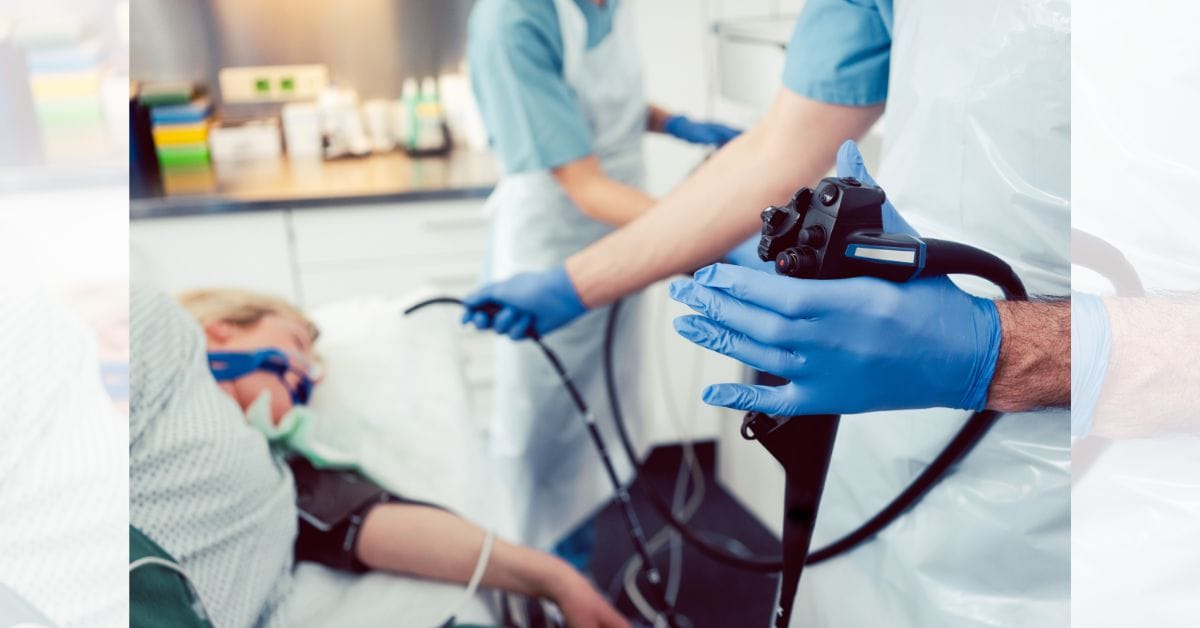
When it comes to diagnosing stomach-related issues and screening for stomach cancer in Singapore, upper gastrointestinal endoscopy, also known as gastroscopy, is considered the gold standard. Stomach cancer is among the top ten cancers in Singapore (Source: Singapore Cancer Registry). Early detection hence plays a crucial role in improving survival rates. Of the various diagnostic tools available, upper gastrointestinal (GI) endoscopy is currently the most accurate and comprehensive method for detecting abnormalities in the stomach.
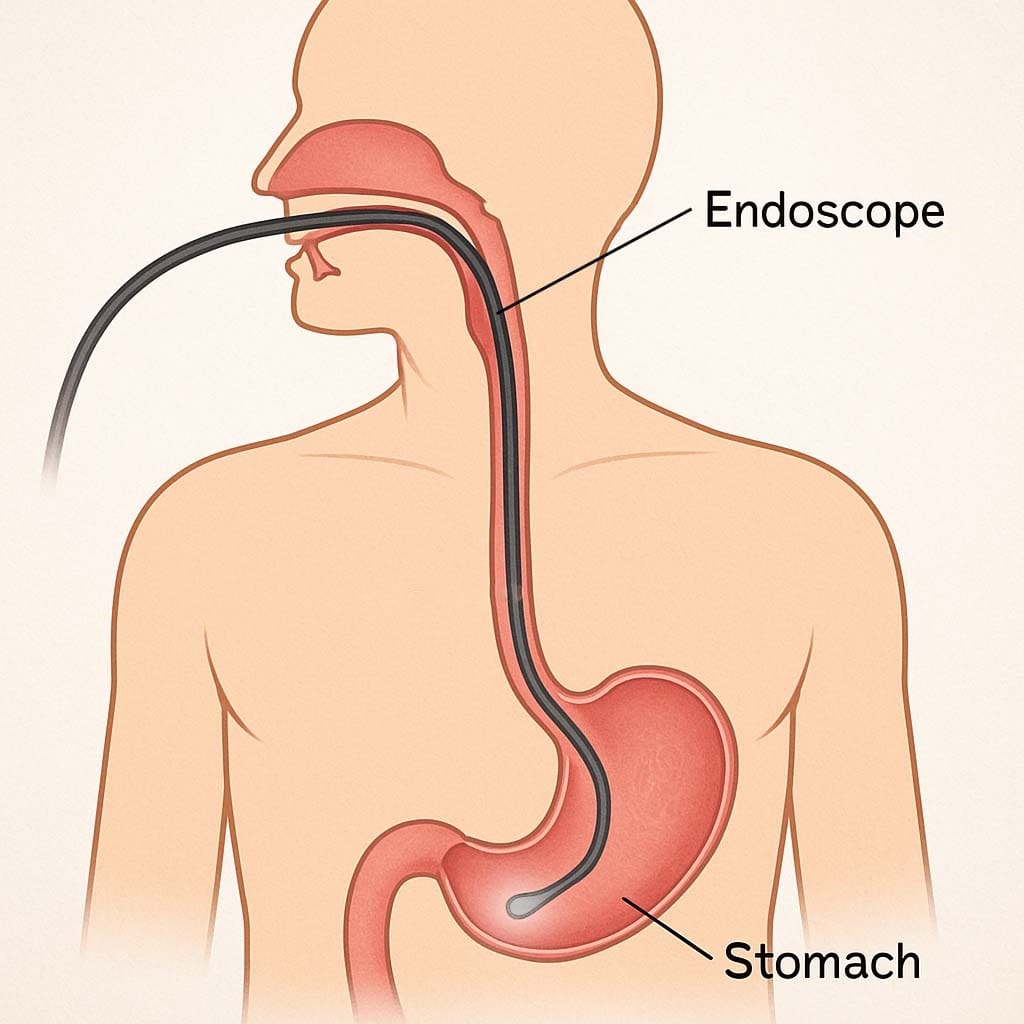
What Is An Endoscopy?
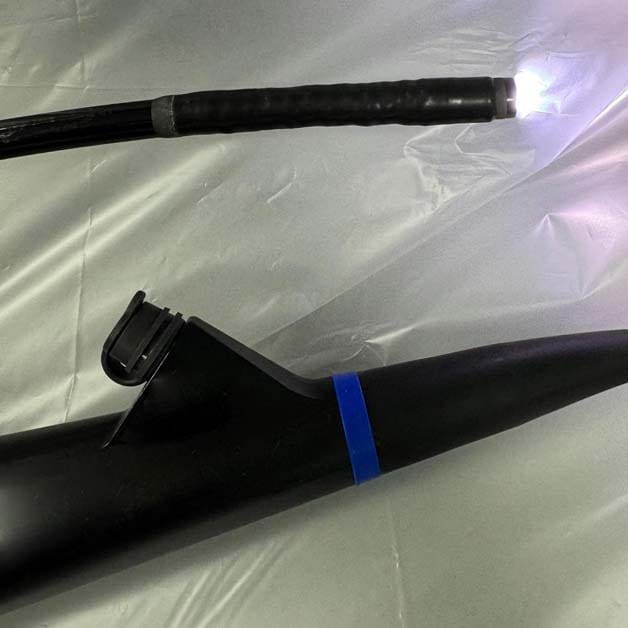
An endoscopy is a non-surgical procedure that allows doctors to visually examine the digestive tract using an endoscope. This is a thin, flexible tube that has a light and high-definition camera at the tip. When inserted into the upper gastrointestinal tract, it can transmit live images of the oesophagus, stomach, and upper part of the small intestine (duodenum) to a high-definition screen during the procedure.
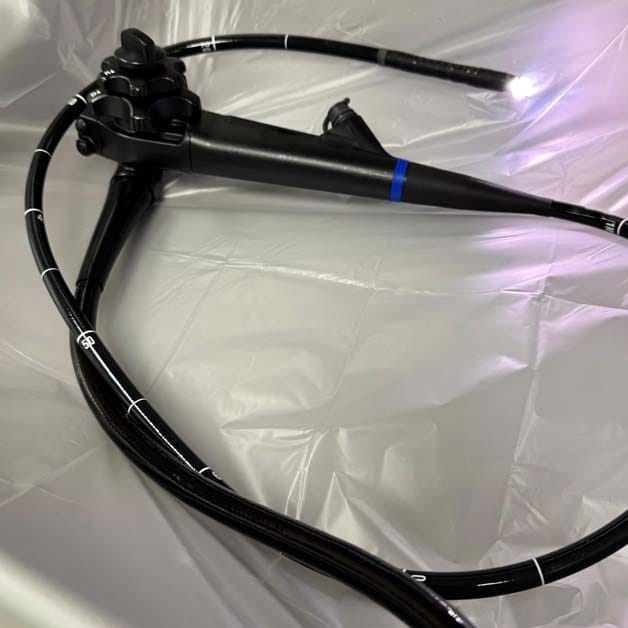
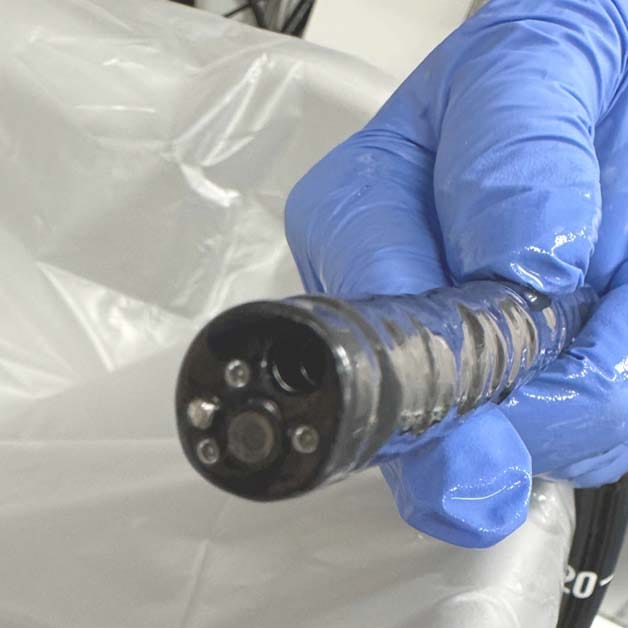
In Singapore endoscopy units, the procedure typically lasts around 15 minutes. It is performed under monitored sedation to ensure comfort. Typically, it is done as an outpatient procedure, and patients are able to return home on the same day, 1-2 hours after the procedure.
Why Is Endoscopy The Gold Standard For Stomach Cancer Screening?
Endoscopy is considered the gold standard for several compelling reasons:
1. Direct And Real-Time Visualisation
Unlike imaging tests such as X-rays or CT scans, endoscopy allows direct and real-time visual inspection of the stomach lining. This enables doctors to detect subtle lesions, ulcers, inflammation, or early-stage tumours that may be missed by other diagnostic methods.
2. Biopsy Capability
During the procedure, doctors can take tissue samples (biopsies) from suspicious areas. These samples are then sent for laboratory analysis to determine if cancerous or pre-cancerous cells are present. This makes endoscopy both diagnostic and investigative in a single session.
3. High Diagnostic Accuracy
Endoscopy offers a higher diagnostic yield compared to other screening tools. Besides stomach cancer, it is the most sensitive and specific test for detecting Helicobacter pylori infection, chronic gastritis, atrophic gastritis, intestinal metaplasia, and dysplasia (pre-cancerous lesion). These are known risk factors for stomach cancer.
4. Therapeutic Options
In addition to screening and biopsy, endoscopy can also be used for minimallyinvasive treatments such as removing pre-cancerous lesions, early stomach cancer, and also stopping gastrointestinal bleeding. This is not possible with imaging tests.
Who Should Consider Stomach Cancer Screening?
You may benefit from an endoscopy if you:
- Are aged 50 or above
- Have a family history of stomach cancer
- Suffer from persistent upper abdominal pain or discomfort, bloating, nausea, vomiting, anaemia, or unexplained weight loss
- Have tested positive for Helicobacter pylori infection
- Experience chronic acid reflux or gastroesophageal reflux disease (GERD)
- Have a history of gastric ulcers or bleeding (manifested as black stool or melena)
- Have difficulty in swallowing
- Have liver cirrhosis (advanced scarring from chronic liver disease)
- Are suspected to have gluten-sensitive enteropathy (celiac disease)
Doctors may also recommend an endoscopy as a follow-up to abnormal results from laboratory test, imaging, or stool test.
Are There Risks Associated With Upper GI Endoscopy?
Singapore endoscopy procedures are generally safe. As with any medical intervention, there are some risks. These risks include:
- Mild sore throat or bloating after the procedure
- Bleeding from biopsy sites (usually minor and self-limiting)
- Rare chance of perforation (tear) in the stomach or oesophagus
- Reactions to sedation or anaesthesia
Book An Appointment For A Stomach Cancer Screening
When it comes to reliable and accurate stomach cancer screening in Singapore, endoscopy remains the benchmark for early detection. With its visual accuracy, ability to take biopsies, and potential for immediate therapeutic action, endoscopy offers a currently unmatched level of diagnostic confidence.
If you fall into a high-risk group or experience persistent gastric symptoms, you should consider an endoscopy. Speak to a gastroenterologist about scheduling an endoscopy today.
Book your appointment with Dr Juanda Leo Hartono today.
Frequently Asked Questions (FAQs) On Stomach Cancer Screening
Endoscopy is generally not painful. Patients may feel slight discomfort such as gagging or bloating, but sedation or throat-numbing spray is usually offered to make the procedure more comfortable. Most people report only mild soreness afterwards.
Inform your doctor about all medications you are currently taking, including blood thinners, diabetes medication, or supplements. You may be advised to adjust or temporarily stop certain medications before the procedure to reduce any associated risks.
If sedation is used, you should not return to work or operate machinery for the rest of the day. It is recommended to rest at home. If no sedation is given, you can typically resume light activities shortly after the procedure.