

In Singapore, endoscopy is widely regarded as the gold standard for diagnosing and screening upper Gastrointestinal (GI) tract conditions. Upper GI endoscopy is also commonly known as gastroscopy. Endoscopy plays a vital role in early detection and management of various diseases including stomach cancer, which remains one of the top ten cancers in Singapore (Source: Singapore Cancer Registry).
Early diagnosis is crucial in improving patient outcomes. In many cases, upper GI endoscopy offers the most accurate and comprehensive insight.
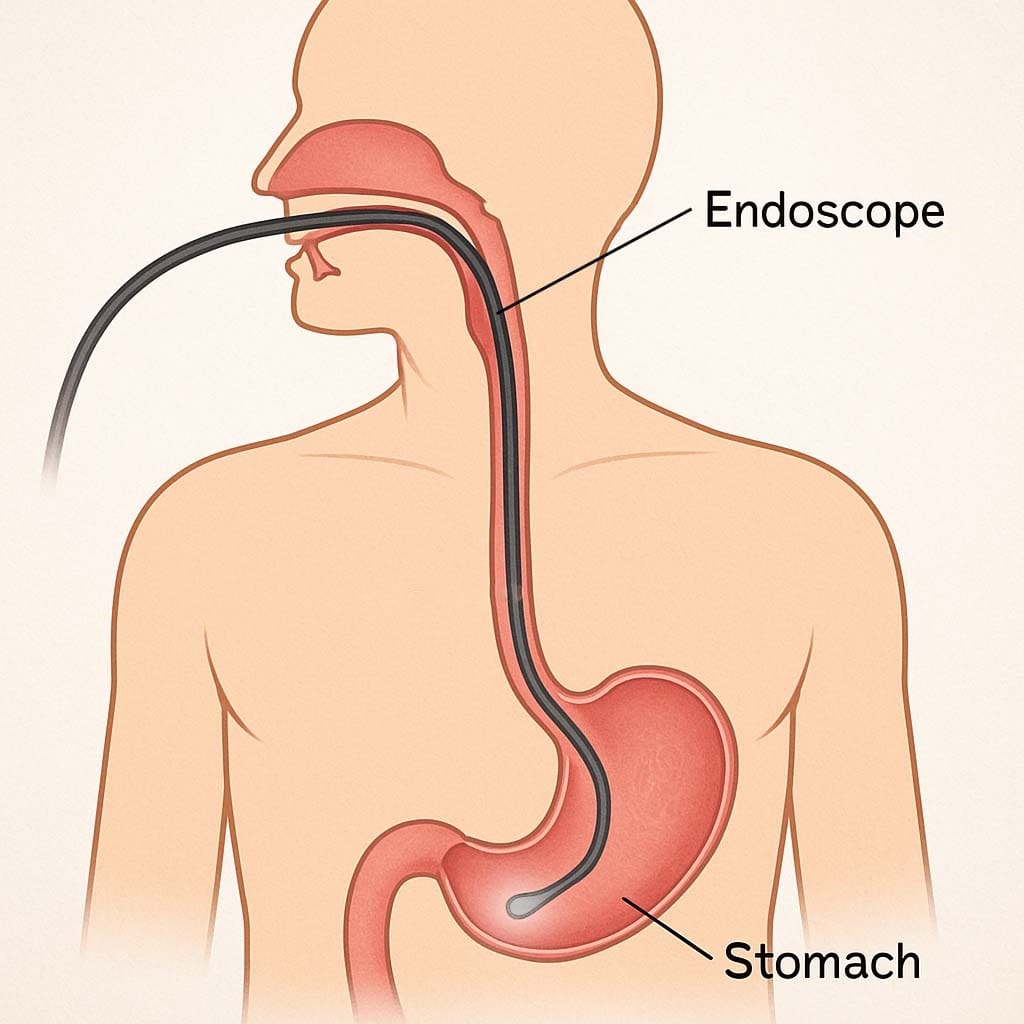
What Is An Upper GI Endoscopy?
Upper GI endoscopy is a non-surgical, minimally invasive procedure. It uses an endoscope – a flexible tube equipped with a high-definition camera and light. Inserted into the patient via the mouth and down the throat, an endoscope allows a gastroenterologist to directly visualise the upper digestive tract. This includes the oesophagus, stomach, and duodenum (the first part of the small intestine).
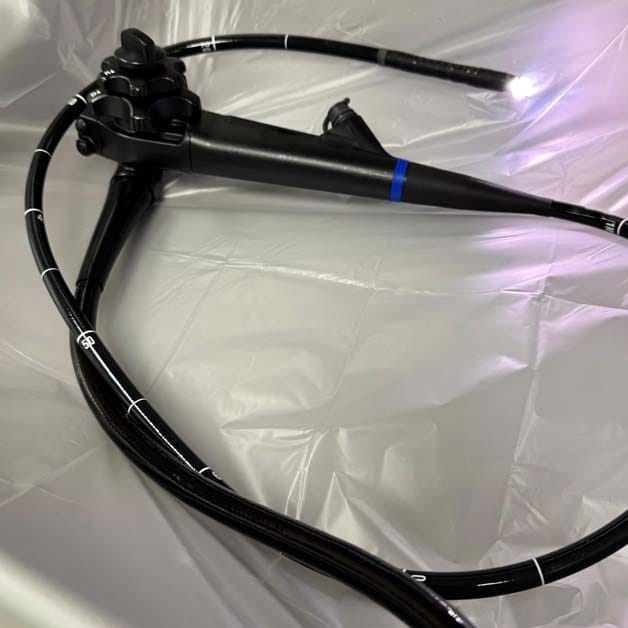
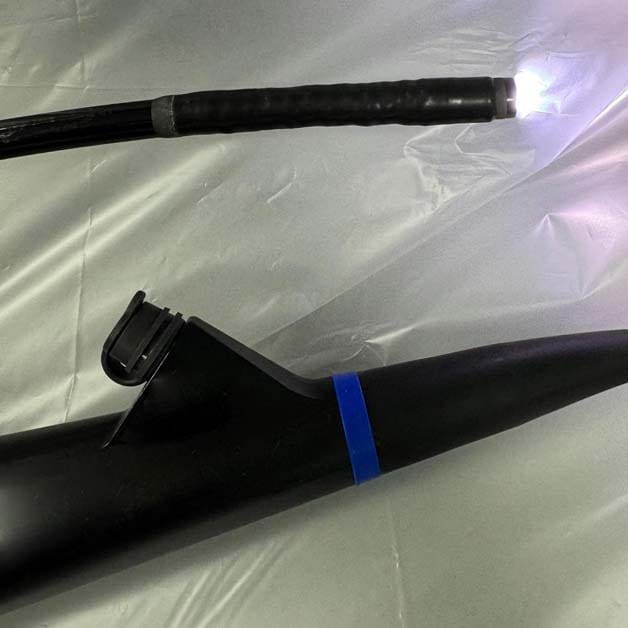
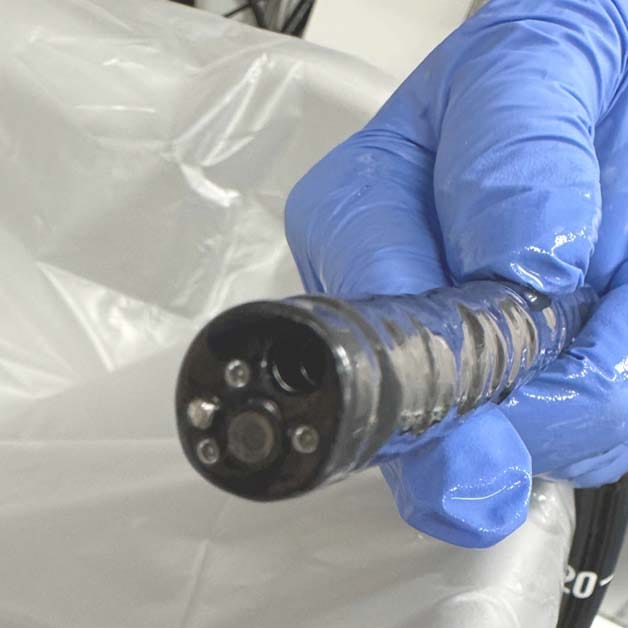
In Singapore endoscopy units, the procedure typically lasts around 15 minutes. It is performed under sedation to maximise patient comfort. Most patients can return home the same day, usually within 1–2 hours after the procedure.
What Conditions Can A Singapore Endoscopy Diagnose?
In Singapore, endoscopy is used to evaluate and diagnosing a broad range of conditions, including:
- Stomach and Oesophageal cancer
- Helicobacter pylori infection
- Gastritis
- Ulcer in the stomach, oesophagus, or duodenum
- Gastroesophageal Reflux Disease
- Hiatus Hernia
- Intestinal metaplasia, and
- Dysplasia (pre-cancerous lesion)
Doctors in Singapore often recommend endoscopy to investigate abnormal blood tests, imaging results, or unexplained gastrointestinal symptoms.
Why Makes Upper GI Endoscopy So Useful?
Upper GI endoscopy provides a wide range of clinical advantages over other diagnostic methods. This makes it essential in both diagnostics and screening programmes:
1. Direct And Real-Time Visualisation
Unlike imaging tools such as CT scans or X-rays, endoscopy allows doctors to inspect the mucosal lining of the GI tract in real time. This level of detail helps identify even subtle changes like inflammation, ulcers, polyps, or early-stage cancers that may be invisible to radiological tests.
2. Biopsy And Laboratory Diagnosis
Singapore endoscopy procedures also allow for biopsies to be taken during the same session. Any suspicious lesion can be sampled and sent to a laboratory for histopathological analysis. This enables a definitive diagnosis of infections, inflammation, pre-cancerous changes, or malignancy.
3. High Sensitivity For Early Detection
Endoscopy is the most sensitive method for detecting risks for stomach cancer and pre-cancerous conditions such as:
- Helicobacter pylori infection
- Chronic gastritis
- Atrophic gastritis
- Intestinal metaplasia
- Dysplasia
Identifying these risk factors early may prevent progression to stomach cancer.
4. Therapeutic Capabilities
Unlike most diagnostic tools, endoscopy is not only used for observation and diagnosis but also for therapeutic interventions. Gastroenterologists can use endoscopy to:
- Remove polyps or early tumours
- Stop gastrointestinal bleeding
- Dilate narrowed passages
- Remove foreign objects
This versatility allows doctors to intervene immediately, reducing the need for more invasive surgery.
Who Should Consider A Singapore Endoscopy?
You should consider undergoing an endoscopy in Singapore if you:
- Are aged 50 or older
- Have a family history of gastric or oesophageal cancer
- Experience persistent upper abdominal pain, bloating, or discomfort
- Have unexplained weight loss
- Have black tarry stool suggestive of upper gastrointestinal bleeding, or iron deficiency anaemia
- Suffer from nausea, vomiting, or difficulty swallowing
- Have chronic acid reflux or GERD
- Have a history of gastric ulcers or gastrointestinal bleeding
- Have liver cirrhosis
- Are suspected of having celiac disease (gluten sensitive enteropathy)
Are There Any Risks With Endoscopy?
While endoscopy is generally safe, as with all medical procedures, there are some risks:
- Mild sore throat or bloating after the procedure
- Minor bleeding from biopsy sites
- Very rarely, perforation (a tear in the GI tract lining)
- Reactions to sedation or anaesthesia
In Singapore endoscopy centres, all procedures are performed by trained specialists in controlled environments to minimise these risks.
Book An Endoscopy Appointment In Singapore
If you’re experiencing persistent gastrointestinal symptoms or fall into a high-risk group, an endoscopy could provide the clarity you need. In Singapore, endoscopy is not only the most reliable diagnostic method but also offers therapeutic potential that other screening tools lack.
Consult with a gastroenterologist like Dr Juanda Leo Hartono to determine whether an upper GI endoscopy is appropriate for you.
Frequently Asked Questions (FAQs) On Endoscopy
No. Most patients receive sedation or throat-numbing spray, making the procedure comfortable. You may feel some bloating or mild throat discomfort afterwards, but this typically resolves within hours.
Inform your doctor about all medications, especially blood thinners or diabetes medication. You may need to pause certain medications before the procedure to minimise risk.
If you were sedated, avoid working or driving for the rest of the day. Without sedation, many people return to light activities shortly after the procedure.

