

Helicobacter pylori (commonly known as H. pylori) is a type of bacteria that lives in the stomach lining. It is one of the leading causes of gastritis, stomach ulcers, and in some cases even stomach cancer. Because of these potential complications, H pylori treatment should never be delayed once the infection is confirmed.
Stomach Pain? Get An Appointment With Dr Juanda.
What Is H. Pylori?
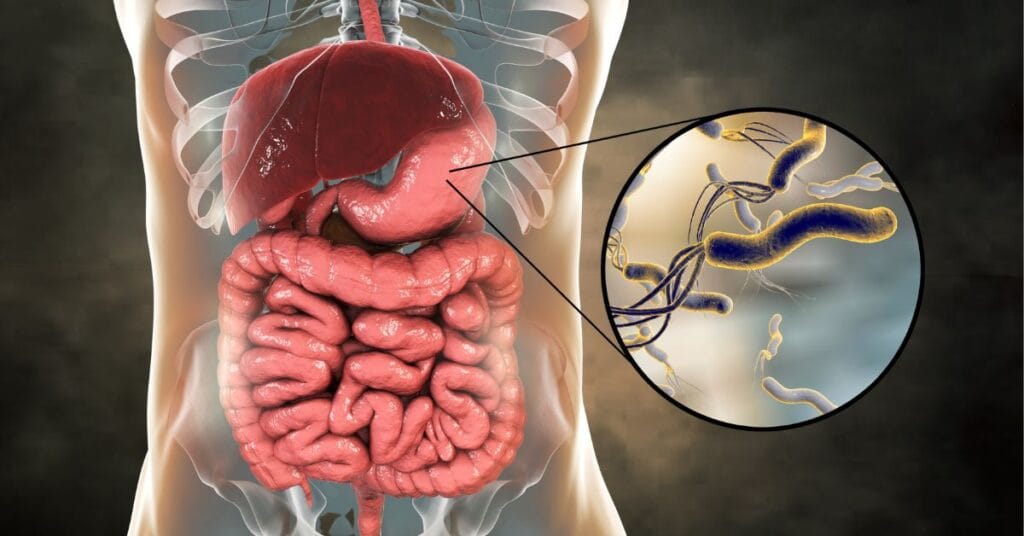
H. pylori is a spiral-shaped bacterium that thrives in the acidic environment of the stomach. Over time, it can weaken the protective mucous coating of the stomach. This allows acid to irritate the underlying tissue, and can cause persistent abdominal discomfort, bloating, nausea, or even bleeding ulcers. However, people may often have no symptoms until the infection has already caused significant damage.
Why Early H Pylori Treatment Is Important
Delaying H. pylori treatment can have serious health consequences. The infection can lead to chronic gastritis, recurrent peptic ulcers, and in rare but concerning cases, an increased risk of stomach cancer. By treating the infection promptly, patients not only relieve their symptoms but also reduce the likelihood of long-term complications.
Furthermore, untreated H. pylori can spread within households, as the bacteria is often transmitted through saliva or contaminated food and water. Early diagnosis and treatment can therefore help protect both individual and family health.
Concerned About H. Pylori? Book An Appointment For Testing
Common H Pylori Treatment Options
The standard approach to H. pylori treatment is a combination of antibiotics and acid-suppressing medication. A gastroenterologist may prescribe:
- Antibiotics – usually two different types are given to ensure that the bacteria are fully eradicated and to reduce resistance.
- Proton Pump Inhibitors (PPIs) – reduce stomach acid production, allowing the stomach lining to heal and enhancing antibiotic effectiveness.
- Potassium Competitive Acid Blockers (PCABs) – more effective than PPIs in decreasing stomach acid production, resulting in improved H. Pylori eradication rate.
- Bismuth-based medications – sometimes included to further increase eradication success.
The treatment usually lasts 10 to 14 days. After completion, follow-up testing is often recommended to ensure that the infection has been completely cleared.
What To Expect From H. Pylori Treatment
Patients may experience mild side effects such as diarrhoea, changes in taste, or temporary stomach upset during H. pylori treatment, but these are usually manageable. It is crucial to complete the full course of medication even if symptoms improve early, as incomplete treatment increases the risk of antibiotic resistance and recurrence.
In some cases, a second course of treatment may be required if the first round is unsuccessful. With proper medical guidance, however, most infections can be cured successfully.
Do Not Delay Treatment
H. pylori may start quietly, but its long-term effects can be serious if left untreated. Timely diagnosis and professional H. pylori treatment are essential not only to ease discomfort but also to protect against ulcers, gastritis, and more serious stomach conditions. Consulting a qualified gastroenterologist ensures that patients receive the most effective and evidence-based care.
Delaying treatment risks ongoing pain, potential complications, and even more complex medical issues in the future. Taking action early is the best step towards lasting digestive health.
Book your appointment to see Dr Juanda Leo Hartono
Frequently Asked Questions (FAQs) On H. Pylori Treatment
H pylori is a bacteria that infects the stomach lining, causing gastritis, ulcers, and in some cases increasing the risk of stomach cancer.
Delaying treatment can lead to chronic stomach inflammation, painful ulcers, and a higher chance of long-term complications such as stomach cancer.
Treatment usually involves two antibiotics and a proton pump inhibitor (PPI) or potassium competitive acid blocker (PPI) to reduce stomach acid, often lasting 10 to 14 days.
Yes, reinfection is possible although the rate is very low. It can be reintroduced through food, water, or close contact. Follow-up testing is important.
Side effects may include diarrhoea, nausea, or a metallic taste in the mouth, but these usually resolve once the treatment is completed.
Useful References:
H. pylori Infection: Symptoms, Causes, and Treatment
Helicobacter Pylori (H. pylori) and Cancer – NCI